

Blog
The Ultimate Guide to Setting Up a Home Gym

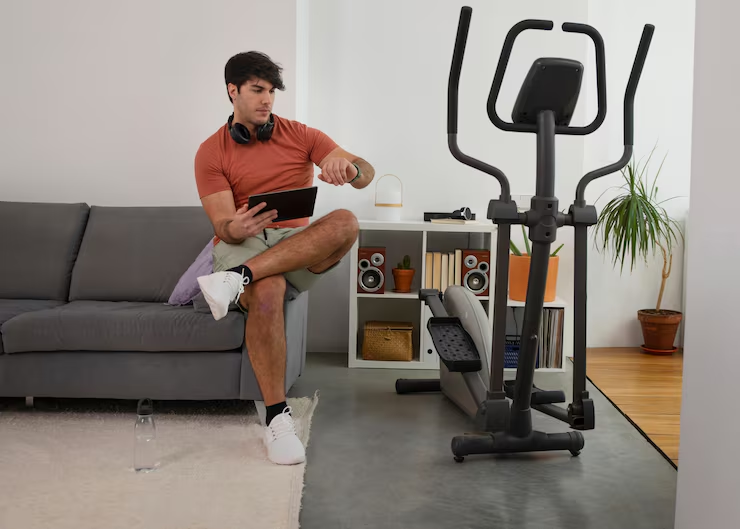
Creating a home gym is one of the best investments you can make for your health, fitness, and convenience. With a dedicated space and the right equipment, you can enjoy personalized workouts, save on gym memberships, and stay motivated to achieve your fitness goals. Whether you’re a beginner or an experienced fitness enthusiast, this ultimate guide will walk you through everything you need to know to set up the perfect home gym.
1. Define Your Fitness Goals
Before purchasing equipment or designing your space, it’s important to clarify your fitness goals. Different goals require different setups:
- Strength training: Dumbbells, kettlebells, barbells, and resistance bands.
- Cardio improvement: Treadmill, stationary bike, or jump rope.
- Flexibility and recovery: Yoga mats, foam rollers, and stretching bands.
- Functional fitness and HIIT: Medicine balls, battle ropes, and plyometric boxes.
Knowing your goals will help you prioritize which equipment and space you need.
2. Choose the Right Location
Selecting the right location is crucial for both motivation and safety. Consider the following:
- Space: Ideally, choose a room or area with enough space for movement and equipment. Even small areas can work with compact or foldable equipment.
- Flooring: Protect your floor with gym mats or rubber flooring to reduce noise, prevent damage, and cushion your joints.
- Ventilation: Proper airflow keeps the space comfortable and reduces odors. Natural light can also enhance energy and mood during workouts.
- Privacy: A quiet and private area encourages focus and consistency.
3. Essential Equipment for Your Home Gym
While the list of gym equipment can be endless, certain essentials form the backbone of a functional home gym:
a. Dumbbells and Adjustable Weights
Dumbbells are versatile and essential for strength training. Adjustable dumbbells save space and allow you to gradually increase weight as you progress.
b. Resistance Bands
Resistance bands are compact, portable, and perfect for strength, mobility, and stretching exercises. They add variety and intensity without heavy equipment.
c. Gym Mat or Yoga Mat
A high-quality gym mat provides cushioning, protects your joints, prevents slipping, and creates a clean workout area. Mats are perfect for floor exercises, stretching, yoga, and pilates.
d. Cardio Equipment
Depending on your space and budget, you can add:
- Treadmill
- Stationary bike
- Rowing machine
- Jump rope
These options help improve cardiovascular fitness and endurance.
e. Stability and Recovery Tools
Foam rollers, yoga blocks, and balance balls are essential for recovery, flexibility, and stability exercises. These tools reduce muscle soreness and prevent injuries.
f. Storage Solutions
Keep your home gym organized with racks, shelves, and hooks for weights, bands, and accessories. A tidy space enhances motivation and safety.
4. Budget-Friendly Home Gym Setup
You don’t need to spend thousands of dollars to create a functional home gym. Consider these tips:
- Start small: Begin with essential equipment like dumbbells, resistance bands, and a gym mat.
- Buy versatile tools: Adjustable weights and resistance bands cover multiple exercises.
- Second-hand options: Check for lightly used equipment to save costs without compromising quality.
Remember, quality matters more than quantity. Investing in durable equipment ensures long-term use and safety.
5. Designing Your Workout Space
Creating an effective workout environment is as important as the equipment itself:
- Layout: Arrange equipment to allow free movement and avoid overcrowding.
- Lighting: Bright and well-lit areas boost energy and performance.
- Mirrors: Installing mirrors helps monitor your form and posture.
- Motivation: Add posters, music systems, or digital screens for workout guidance and inspiration.
6. Safety Considerations
Safety should always be a priority in a home gym. Keep the following in mind:
- Use non-slip flooring or mats to prevent accidents.
- Ensure heavy equipment is stable and properly secured.
- Maintain proper ventilation and hydration during workouts.
- Start with lighter weights and gradually increase intensity to avoid injuries.
7. Tips for Maximizing Your Home Gym Workouts
- Create a routine: Dedicate specific times for workouts to stay consistent.
- Mix exercises: Combine strength, cardio, and flexibility training for balanced fitness.
- Track progress: Use fitness apps, trackers, or journals to monitor improvements.
- Stay motivated: Change routines regularly, listen to energizing music, or follow online workouts.
- Keep it clean: Regularly clean mats, equipment, and accessories to maintain hygiene.
8. Additional Accessories to Consider
Adding small accessories can significantly enhance your workouts:
- Weightlifting gloves for grip and protection
- Jump ropes for cardio
- Medicine balls for strength and functional training
- Foam rollers for recovery
- Fitness trackers for performance monitoring
These items complement your primary equipment and improve overall workout effectiveness.
Conclusion
Setting up a home gym is an investment in your health, convenience, and long-term fitness goals. By defining your objectives, choosing the right location, investing in essential equipment, and maintaining safety, you can create a space that motivates you to exercise consistently.
A well-planned home gym allows you to work out anytime, in a comfortable environment, and at your own pace. Start small, expand gradually, and make the space truly yours.
Get started today with premium gym equipment and accessories from FixMat and transform your home into the ultimate fitness sanctuary!