Blog
How to Use Foam Rollers for Muscle Recovery

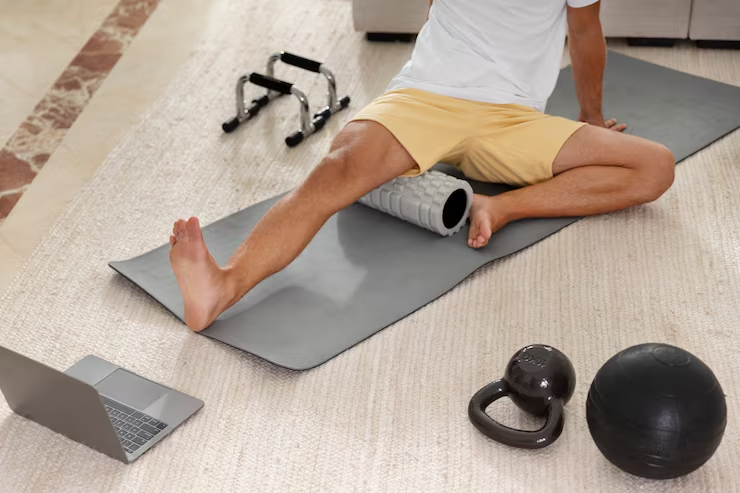
Foam rollers have become an essential tool for athletes, gym enthusiasts, and fitness beginners alike. They are simple, yet incredibly effective for reducing muscle soreness, improving flexibility, and speeding up recovery after workouts. In this guide, we’ll explore the benefits of foam rolling, the correct techniques, and tips to maximize your recovery routine.
1. What Is a Foam Roller?
A foam roller is a cylindrical piece of dense foam used for self-myofascial release (SMR)—a technique that applies pressure to tight muscles and fascia. Foam rolling helps break up knots, release tension, and improve blood flow to muscles, supporting faster recovery and better performance.
Types of foam rollers:
- Smooth rollers: Ideal for beginners; provide gentle pressure.
- Textured rollers: Have ridges or bumps for deeper, targeted massage.
- High-density rollers: Firm rollers for experienced users needing deeper pressure.
- Mini rollers: Compact, portable, great for specific muscle groups or travel.
2. Benefits of Foam Rolling
a. Reduces Muscle Soreness
Foam rolling increases blood flow and oxygen delivery to fatigued muscles, reducing delayed onset muscle soreness (DOMS) after intense workouts.
b. Improves Flexibility and Mobility
Regular use helps lengthen tight muscles and fascia, enhancing range of motion and improving movement patterns.
c. Enhances Recovery
By releasing tension and promoting circulation, foam rolling accelerates the healing process of stressed muscles, allowing you to train more effectively.
d. Prevents Injuries
Tight muscles can contribute to poor posture and improper movement. Foam rolling helps correct imbalances and lowers the risk of strains or injuries.
e. Reduces Stress and Promotes Relaxation
Self-massage through foam rolling stimulates the nervous system, helping reduce stress, promote relaxation, and improve mental focus.
3. How to Foam Roll Correctly
Correct technique is crucial to maximize benefits and avoid injury:
General Tips:
- Roll slowly over the muscle, spending 30–60 seconds per area.
- Pause on tight spots for 15–30 seconds to release tension.
- Avoid rolling directly over joints or bones.
- Maintain controlled breathing to enhance relaxation and oxygen flow.
Common Foam Rolling Exercises
a. Quads
- Lie face down, placing the roller under your thighs.
- Support your body with your forearms.
- Roll from hip to knee slowly, pausing on tight spots.
b. Hamstrings
- Sit on the floor with the roller under your hamstrings.
- Lift your body slightly and roll from glutes to knees.
c. Calves
- Sit with the roller under your calves and hands supporting your weight.
- Roll from ankle to knee slowly, targeting tight areas.
d. Glutes
- Sit on the roller, cross one ankle over the opposite knee.
- Lean slightly toward the side of the crossed leg and roll slowly over the glute.
e. Upper Back
- Lie on your back with the roller under your shoulder blades.
- Cross your arms over your chest or support your head.
- Roll from mid-back to shoulders carefully, avoiding neck strain.
f. IT Band
- Lie on your side with the roller under your outer thigh.
- Support with opposite leg and hands.
- Roll from hip to just above knee. (Be gentle—IT band can be sensitive.)
4. When to Foam Roll
- Pre-workout: Light rolling can warm up muscles and improve mobility.
- Post-workout: Helps reduce soreness and speed recovery after intense exercise.
- Rest days: Use foam rolling to release tension and maintain flexibility.
5. Foam Rolling Tips for Maximum Effectiveness
- Consistency is key: Aim for 5–10 minutes per session, 3–5 times per week.
- Hydrate: Drinking water helps flush out toxins released during foam rolling.
- Combine with stretching: Stretch tight muscles after rolling for better flexibility.
- Start easy: Beginners should use soft or medium-density rollers.
- Listen to your body: Mild discomfort is normal, but sharp pain is a sign to stop.
6. Common Mistakes to Avoid
- Rolling too fast over muscles
- Applying excessive pressure, causing bruising
- Rolling directly over joints, bones, or spine
- Ignoring tight areas that need more attention
- Overdoing foam rolling—10–15 minutes per session is sufficient
Conclusion
Foam rollers are a simple, effective, and versatile tool that can improve muscle recovery, reduce soreness, increase flexibility, and prevent injuries. By incorporating foam rolling into your workout routine—before or after exercise, or even on rest days—you can maximize your performance and ensure long-term fitness progress.
Enhance your recovery today with high-quality foam rollers and gym accessories from FixMat to keep your muscles healthy, strong, and ready for every workout!